Asphalt Sealing in Denver, CO
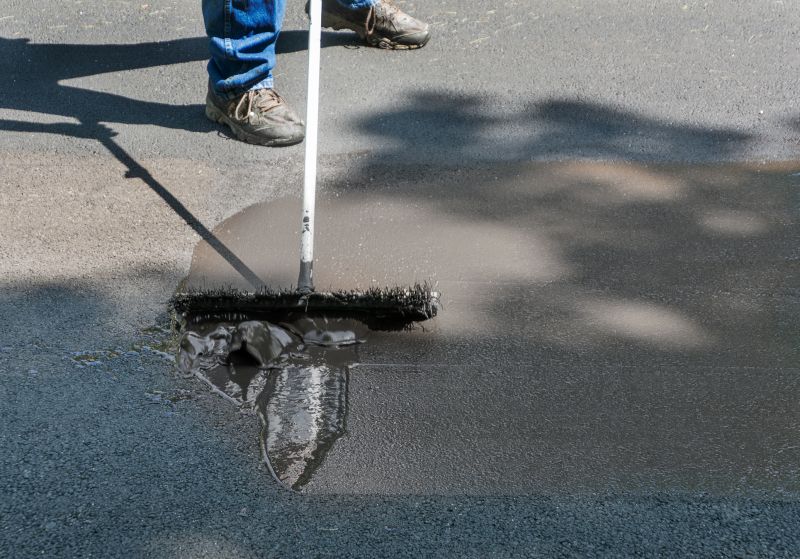
Asphalt sealing is a protective treatment applied to paved surfaces such as driveways, parking lots, and pathways to help extend their lifespan and maintain their appearance. This process involves applying a thin layer of sealant over the asphalt surface, which helps to prevent damage from water, UV rays, and everyday wear and tear. Property owners often choose asphalt sealing to keep their surfaces looking clean and well-maintained, as well as to reduce the need for costly repairs caused by cracks and deterioration over time.
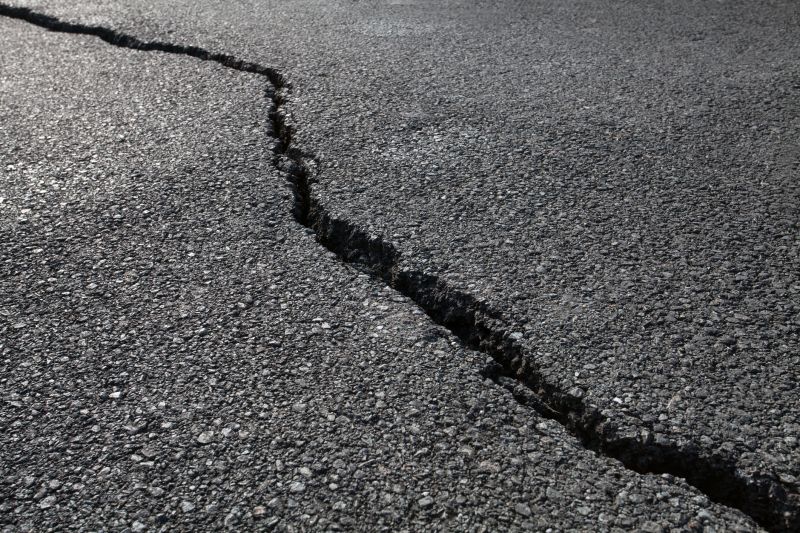
Before requesting asphalt sealing services, homeowners should consider the current condition of their pavement. It's important to ensure that any existing cracks or damage are properly repaired prior to sealing, as this treatment is most effective when applied to a stable surface. Additionally, the surface should be clean and free of debris or standing water to achieve the best results. Understanding these factors can help property owners make informed decisions about the timing and scope of the sealing project.
Many property owners in Denver, CO look into Asphalt Sealing for repairs, replacements, upgrades, and appearance-related improvements.
Protecting Driveways And Parking Lots
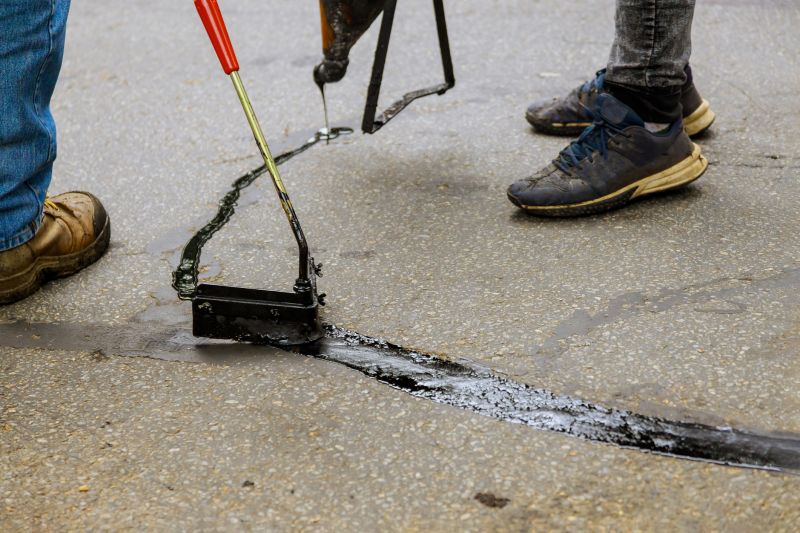
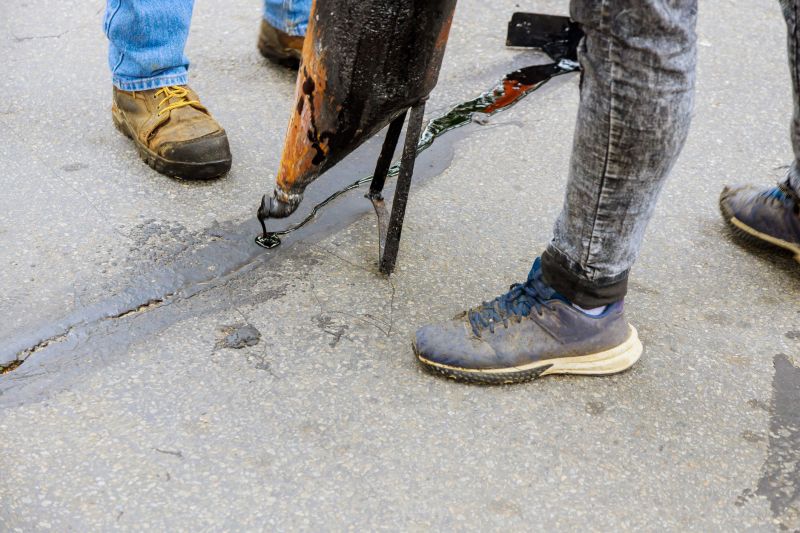
Asphalt sealing helps safeguard surfaces from water damage and cracking.
Enhancing Curb Appeal
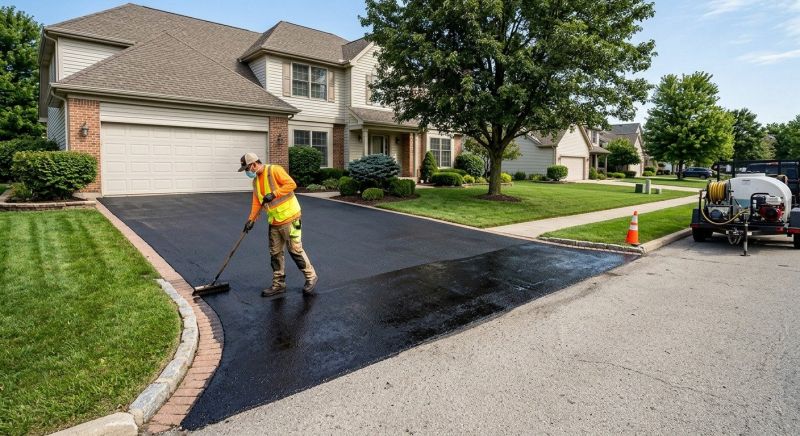
A fresh seal coat can improve the appearance of residential and commercial asphalt surfaces.
Extending Surface Longevity
Regular sealing can prolong the lifespan of asphalt by preventing deterioration caused by weather and traffic.
Asphalt Sealing in Denver, CO
Asphalt sealing is a protective treatment applied to paved surfaces such as driveways, parking lots, and pathways to help extend their lifespan and maintain their appearance. This process involves applying a thin layer of sealant over the asphalt surface, which helps to prevent damage from water, UV rays, and everyday wear and tear. Property owners often choose asphalt sealing to keep their surfaces looking clean and well-maintained, as well as to reduce the need for costly repairs caused by cracks and deterioration over time.
Before requesting asphalt sealing services, homeowners should consider the current condition of their pavement. It's important to ensure that any existing cracks or damage are properly repaired prior to sealing, as this treatment is most effective when applied to a stable surface. Additionally, the surface should be clean and free of debris or standing water to achieve the best results. Understanding these factors can help property owners make informed decisions about the timing and scope of the sealing project.
Many property owners in Denver, CO look into Asphalt Sealing for repairs, replacements, upgrades, and appearance-related improvements.
Common Asphalt Sealing Jobs
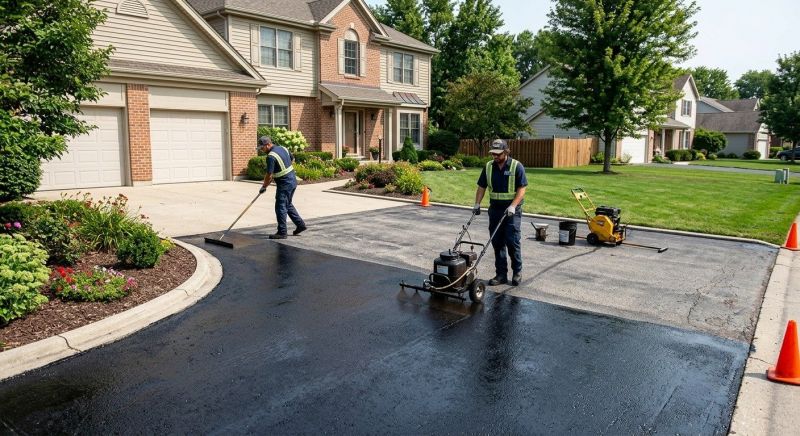
Asphalt driveway sealing - helps protect the surface from weather damage and extends its lifespan.
Parking lot sealing - improves curb appeal and safety for commercial properties.
Patio and walkway sealing - provides a protective barrier against stains and surface wear.
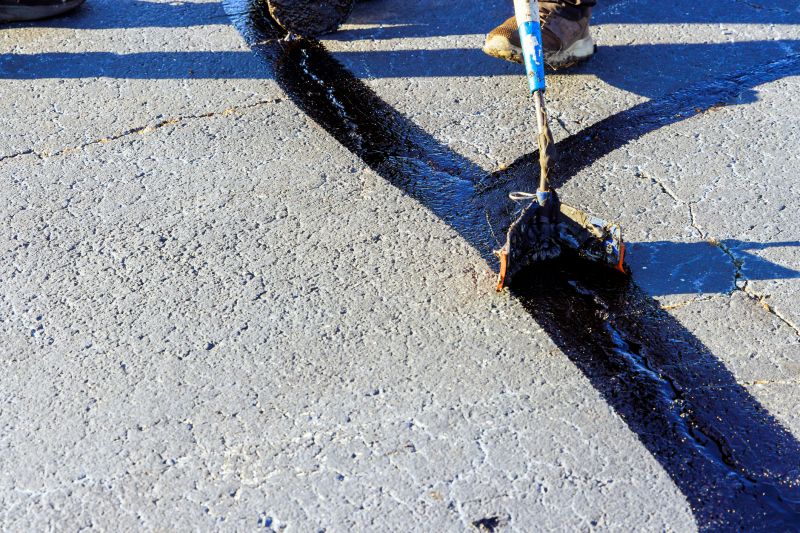
Crack sealing and filling - prevents water infiltration and further asphalt deterioration.
Sealcoating for residential driveways - enhances appearance and adds a layer of protection against the elements.
Surface restoration sealing - maintains asphalt integrity and reduces the need for costly repairs.
Asphalt Sealing Questions
What is asphalt sealing? Asphalt sealing involves applying a protective coating to asphalt surfaces to enhance durability and appearance.
Why should property owners consider asphalt sealing? Sealing helps prevent water damage, reduces cracking, and extends the lifespan of asphalt pavements.
What types of projects benefit from asphalt sealing? Driveways, parking lots, and walkways are common projects that benefit from sealing to maintain their condition.
How often should asphalt be sealed? Typically, asphalt surfaces are sealed every 2 to 3 years to maintain protection and appearance.
Request Asphalt Sealing in Denver, CO
Use the quote form on this page to share the basics of your project and request more information for the type of work you need.